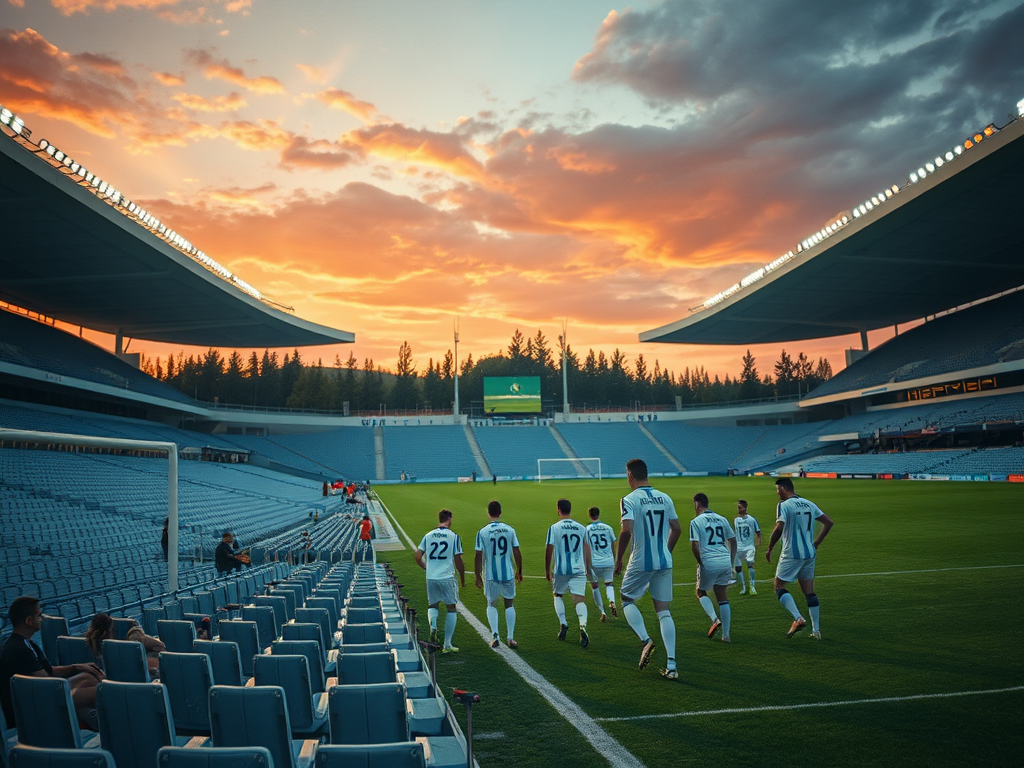
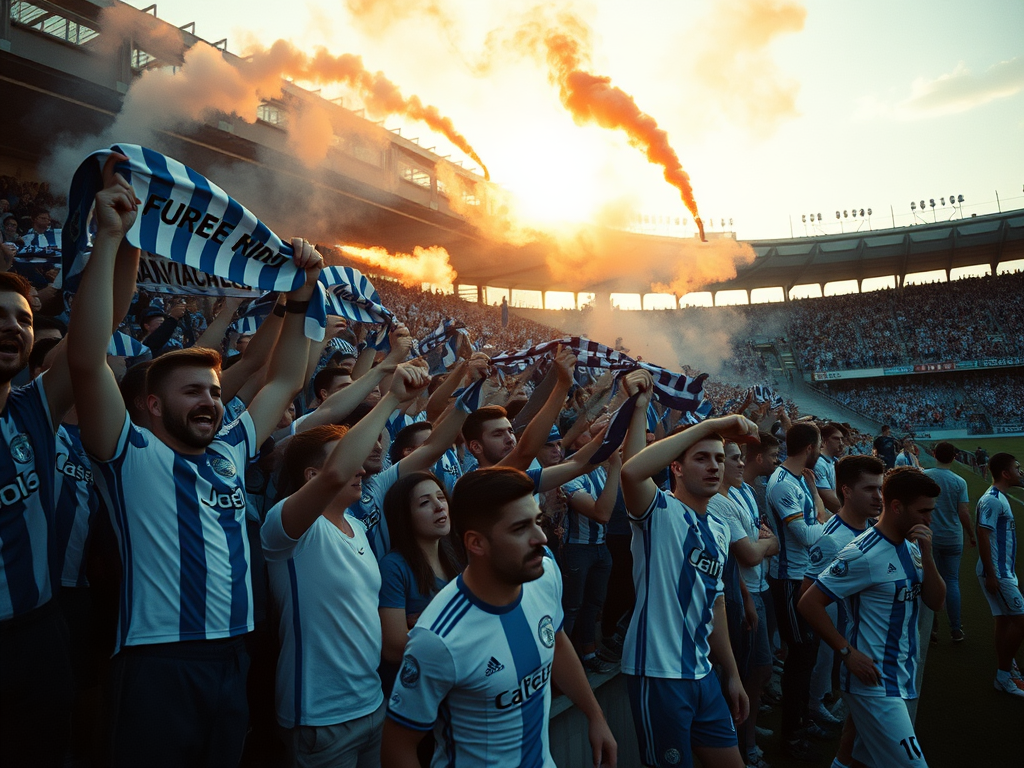
 NK Osijek Hub
Introduction
NK Osijek, known for its tenacity and passionate fans, is facing challenges in the current season. Although the Bijelo-plavi have shown moments of brilliance, a lack of consistency in their game could be a key factor holding them back in the fight for the top of the table.
Current Tactical Approach
Osijek primarily relies on a 4-2-3-1 formation that allows them to control the midfield and support the attack. However, recent matches reveal that players often struggle with implementing this strategy.
Defensive Weakness
One of the main issues lies within the defensive line. Central defenders sometimes leave too much space between themselves and the full-backs, allowing opponents to exploit gaps. Enhancing communication among defenders and increasing discipline in positioning can significantly improve the defense.
Midfield Struggles
In midfield, the engine room, led by D. Čolina, often struggles against opponent overloads. A shift to a 4-3-3 formation is recommended, which would provide greater presence in the midfield, increasing control of the game and reducing the likelihood of lost balls.
Attacking Potential
NK Osijek's attack, spearheaded by Matej Grahovac, also shows signs of stagnation. The transitional play is often not fast enough, allowing opponents to organize defensively. By incorporating more movement and varied passing options, Osijek could become more threatening in the final third. Additionally, considering the rotation of forwards can bring new energy and creativity to the game.
Suggested Adjustments
1. Formation Change
A recommended change in formation to 4-3-3 can help strengthen the midfield control. This would provide better support to the forwards and additional options for play.
2. Incorporating Young Players
Osijek could consider introducing several young players from the academy, who could bring freshness and energy to the team. Their motivation and desire to prove themselves may be key to elevating the level of play.
3. Improving Communication
Focusing on communication among players, especially in defensive situations, can significantly enhance the team’s stability. Regular meetings and match analyses can help players better understand their roles and responsibilities.
Conclusion
NK Osijek has the potential for better results, but tactical adjustments and improved team coordination will be necessary. By implementing these changes, the Bijelo-plavi can regain their strength and once again compete at the top of Croatian football.