 NK Osijek Hub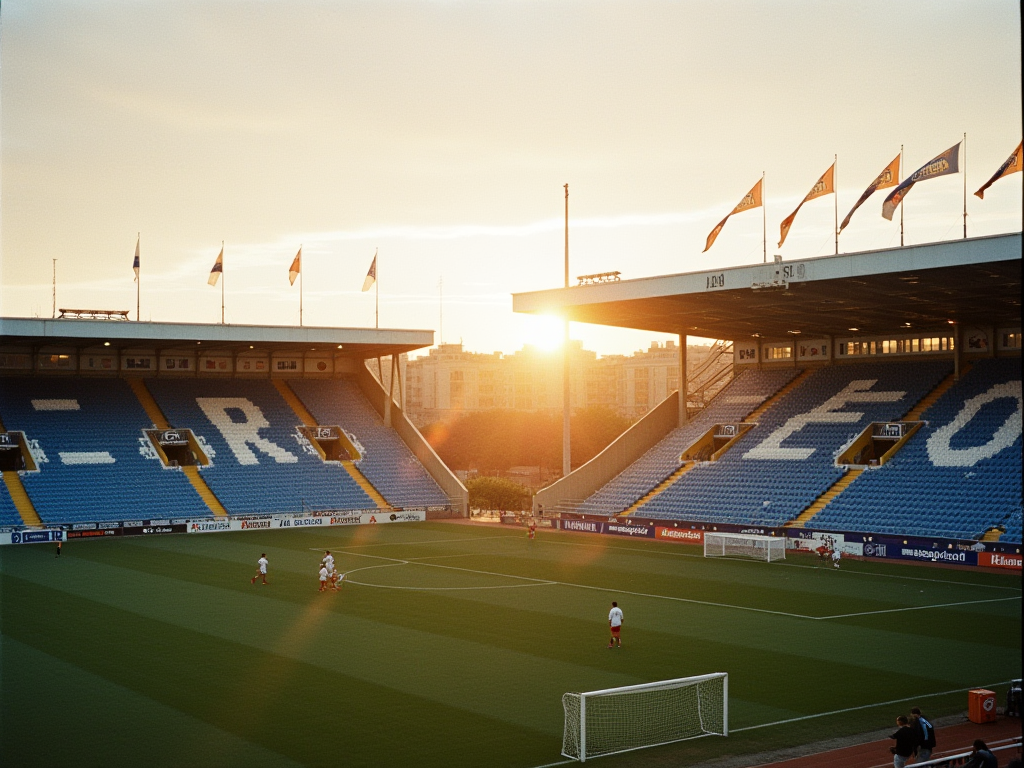
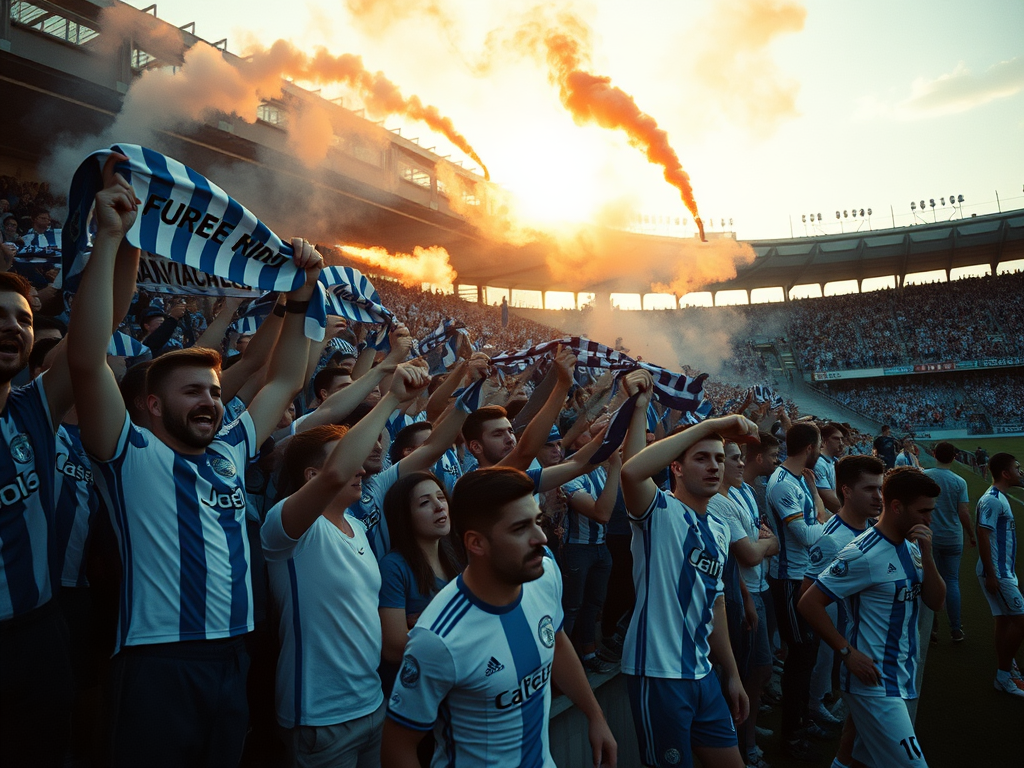
Every time the Bijelo-plavi face GNK Dinamo Zagreb, the atmosphere in the city of Osijek becomes electric. The streets fill with fans dressed in blue and white, while chants and songs echo from cafes and squares. This passionate atmosphere is not just a result of competitive spirit, but also deeply rooted traditions passed down through generations.
One of the most important rituals accompanying the derby is the gathering of fans at Trg Ante Starčevića. There, a mini-festival unfolds: barbecues, music, and collective singing. These moments bring fans together, creating a sense of community that is crucial for their support of the club. Additionally, many fans arrive at the match with specially crafted banners and flags, often containing messages of support or provocations directed at their rivals.
As match time approaches, supporters congregate in front of the stadium, where the atmosphere intensifies even further. Those coming from other parts of Croatia make special efforts to showcase their dedication to the club. At this moment, with chants of “Bijelo-plavi,” every fan becomes part of something bigger, sharing passion, sorrow, and joy with their fellow townsfolk.
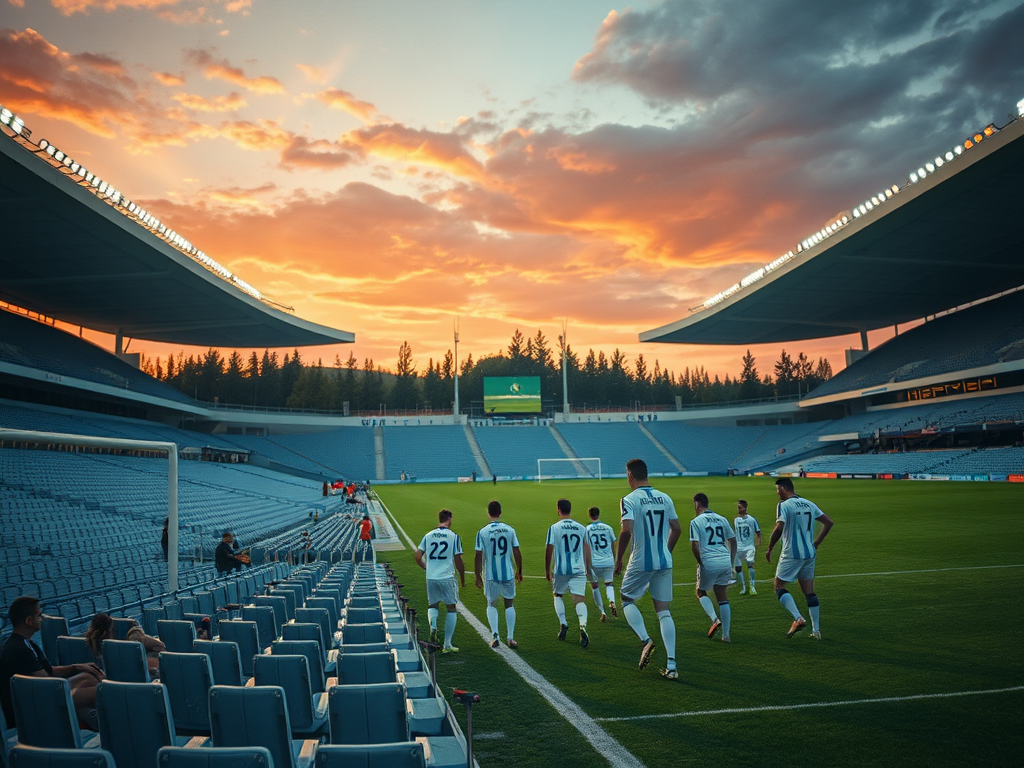
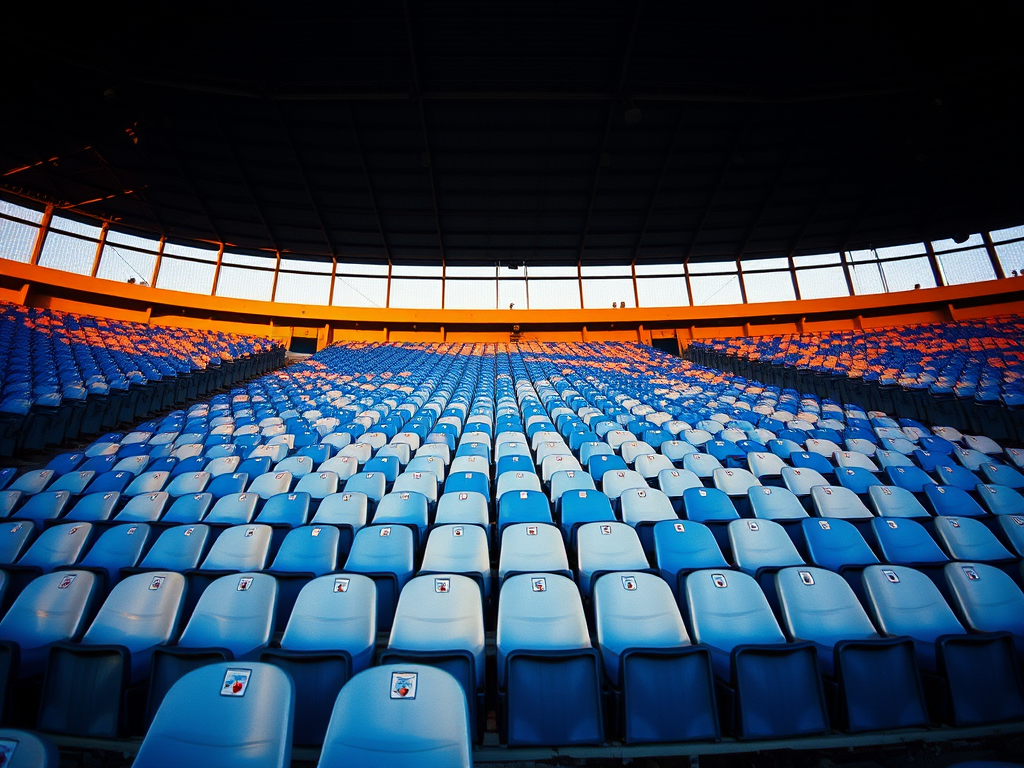
Inside the stadium, the rituals take on an even stronger form. Before the match kicks off, fans perform the traditional “bell” - a series of chants and cheers that continue until the players step onto the pitch. This moment is profoundly emotional, as the players know they have the entire city supporting them from the stands. Together, all the fans become a unified force, urging their beloved team on to victory.
During the match, the atmosphere in the stadium becomes more intense. Every goal, every chance, and every successful play triggers an eruption of excitement, while misses and failures bring feelings of frustration. In these moments, the unity of the fans becomes even more pronounced, with songs and chants growing louder, creating an unforgettable atmosphere that lingers in memory.
After the match, regardless of the outcome, the ritual remains the same. Fans gather, exchanging experiences and discussing the game, often ending the night in cafes, where singing and celebration continue. These traditions and rituals not only strengthen the bond between fans and the club but also with the entire city, creating a special community that lives for football.
In Osijek, the derby against Dinamo is not just a match; it is an event that unites people, history, and passion. The traditions of the Bijelo-plavi fans make every encounter special, and their dedication to the club leaves an indelible mark on the hearts of all who have ever felt the magic of football in this city.