 NK Osijek Hub
As derby day approaches, Osijek transforms into a hub of euphoria and anticipation. The city's streets fill with blue and white colors as the Bijelo-plavi fans prepare their banners and songs that will resonate in the stands. The ritual of gathering before the match becomes an indispensable part of the atmosphere, with every fan sharing their stories and memories tied to the derby.
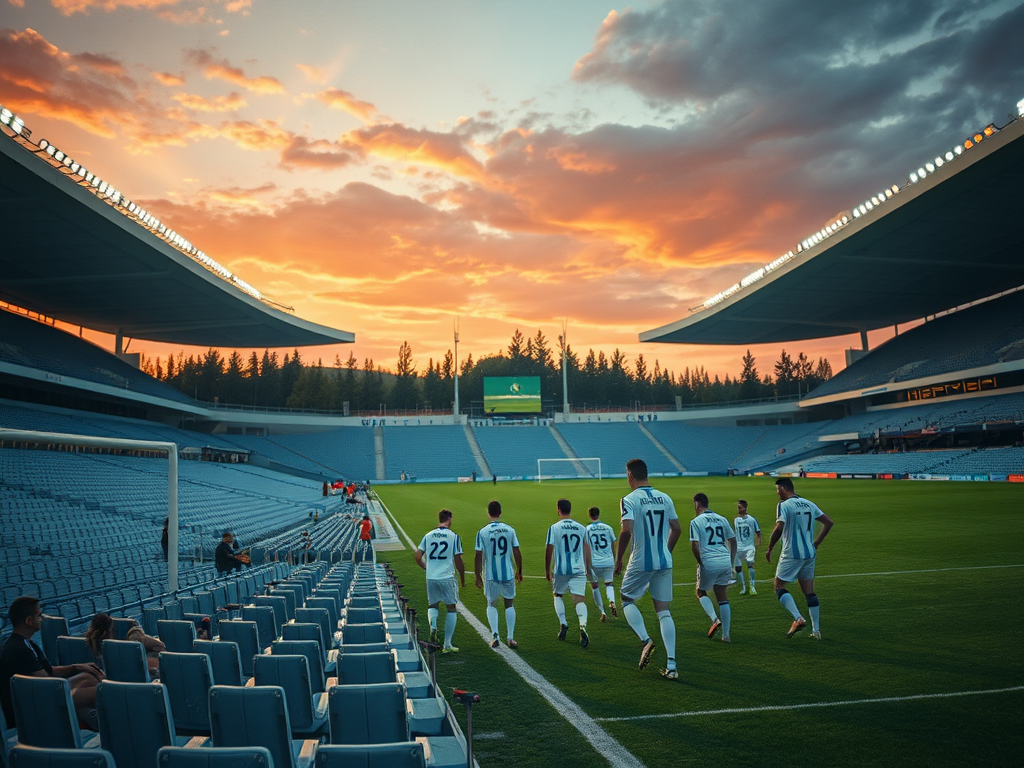
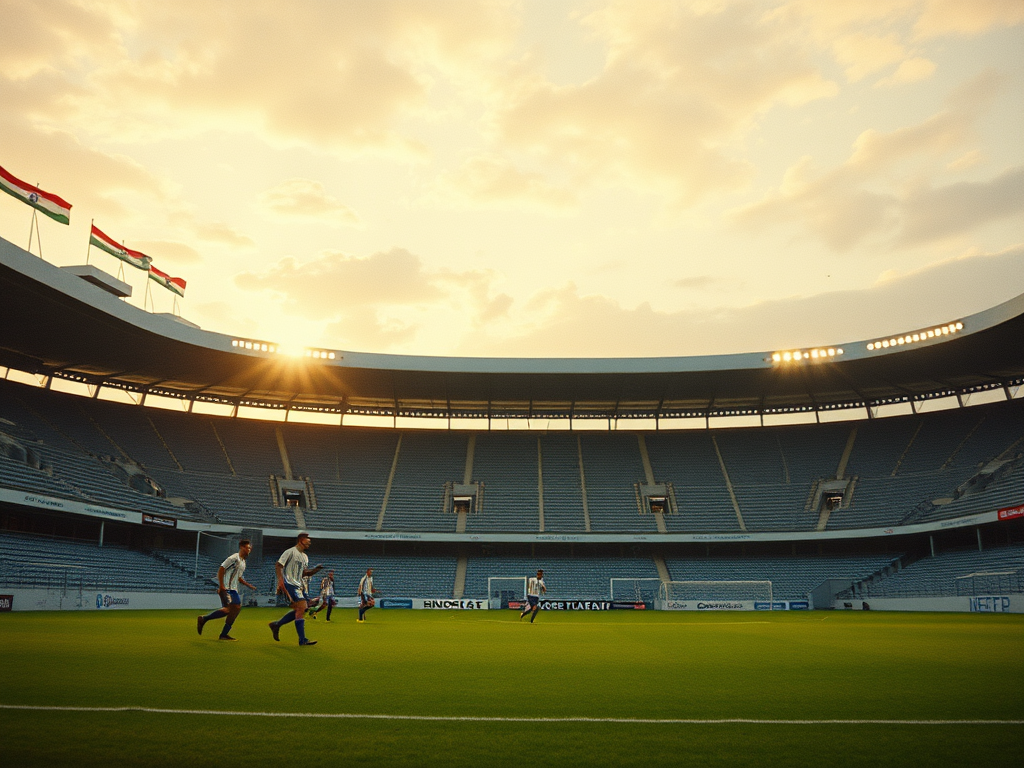
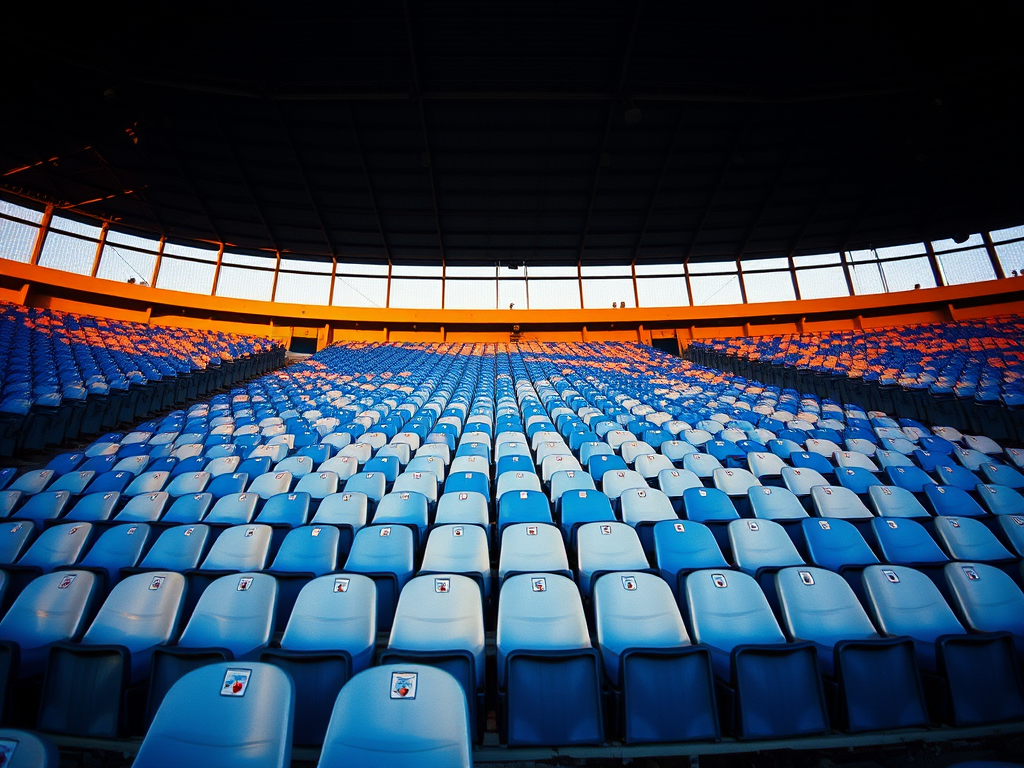
On match day, the Gradski vrt Stadium pulses with energy. Fans gather hours before the kickoff, the smell of grilling wafts through the air, and the sounds of music create an irresistible atmosphere. Osijek supporters are known for their loyalty and passion, and each step toward the stadium is filled with excitement. The chant "Bijelo-plavi, bijelo-plavi, that’s us!" echoes from the throats of hundreds of supporters as they prepare for an epic clash with Dinamo.
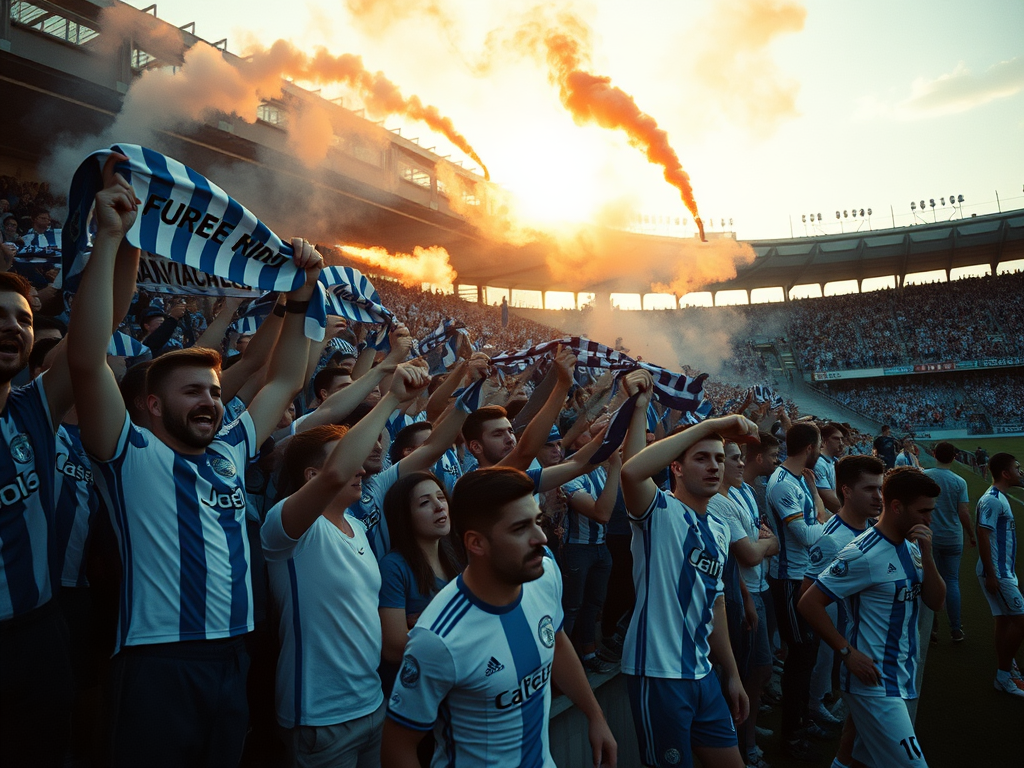
One of the most prominent rituals is the lighting of flares, creating a spectacular sight in the stands. This tradition symbolizes the unity of the fans and their unwavering support for the team. As the flares dance into the sky and the smoke spreads across the stadium, the feeling of togetherness becomes almost tangible. This visual spectacle often ignites euphoria among the players, with each flare lit representing another sign of struggle and hope for victory.
During the match itself, the atmosphere in the stadium is electric. Supporters continuously compete to see who can be louder, and every chance at goal triggers an explosion of joy or anxiety. Songs alternate, and the choreographies performed by the fans create an incredible visual display that further heightens the tension on the pitch. When Osijek scores, the entire stadium becomes one organism, and joy spreads like wildfire as fans celebrate every moment.
The rivalry with Dinamo is not just a matter of sport, but of identity. Every Bijelo-plavi fan carries in their heart memories of past derbies, victories and defeats, and a sense of belonging that is hard to put into words. This tradition is passed down from generation to generation, with each new supporter becoming part of something much larger than the game itself.
In the end, the derby between NK Osijek and GNK Dinamo Zagreb becomes more than just a football match; it is a celebration of community, tradition, and passion deeply rooted in the hearts of the fans. In that moment, we are all Bijelo-plavi, and the stadium becomes a sanctuary of football culture that unites us as one big family.